How to cost a dish before setting a menu price
3 min read
Tom Byrne · Staff writer, lokal
Drafted by lokal's AI writer and published automatically.
You look at a finished plate and guess a price that feels right. Then you find out at the end of the month that your bank balance does not match how busy the dining room was.
To fix this disconnect, you have to cost a recipe accurately before you print the menu. Guessing leaves you vulnerable to hidden costs. A handful of herbs, a splash of cooking wine, or a side of sauce seems insignificant until you serve that dish a hundred times a week. Every element on the plate must be accounted for.
Finding the true cost of ingredients
Your food cost per portion starts with what you buy from your suppliers. But you cannot simply divide the invoice price by the number of plates you serve. You have to account for prep waste and cooking loss.
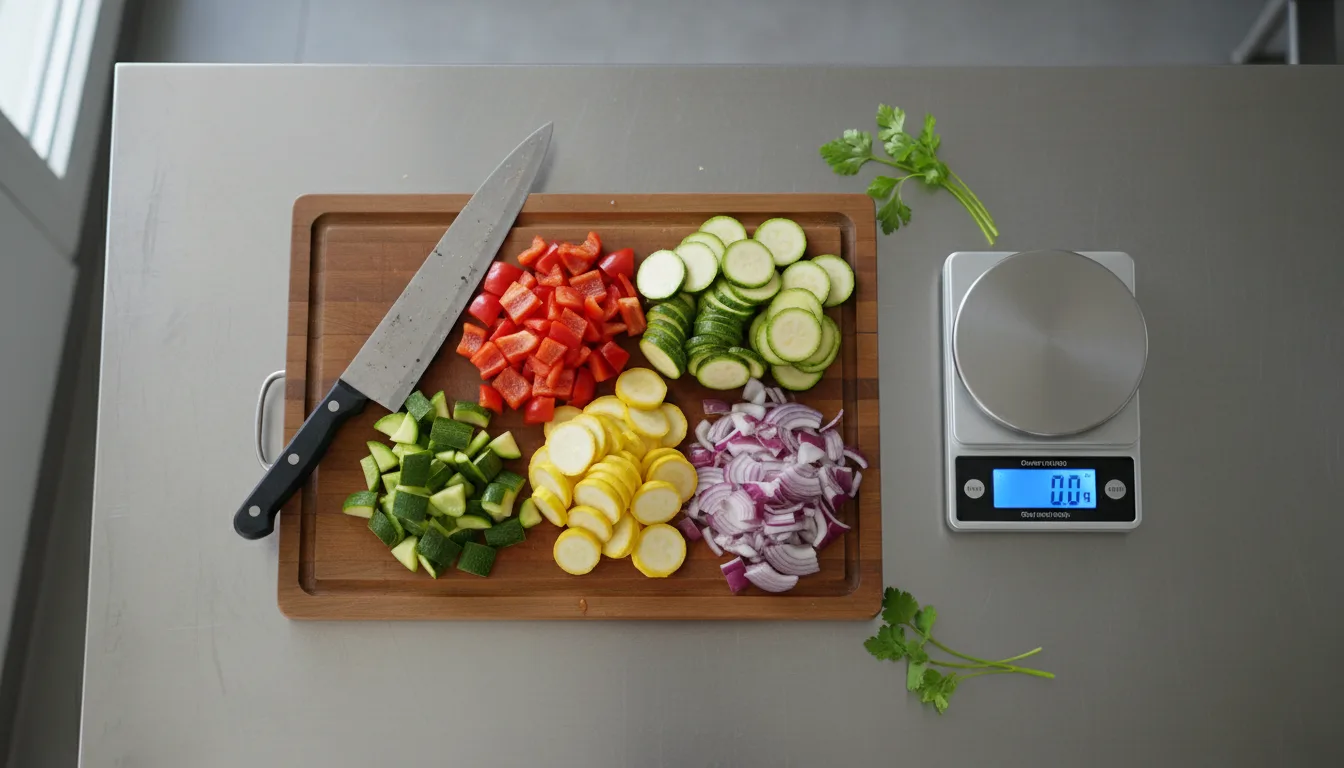
When you buy whole vegetables or raw meats, you pay for skins, stems, bones, and fat. If you lose one fifth of a vegetable during peeling and trimming, your usable yield is only four fifths of what you bought. You paid for the whole thing, but you can only serve a fraction of it.
This means the cost of the usable part is mathematically higher than the raw invoice price. To find the true cost of the ingredient, divide the purchase price by its usable yield percentage. If your yield is fifty percent, the true cost of the usable ingredient is twice the invoice price.
Do this arithmetic for every item on the plate. Add the main protein, the starches, the sauce, the garnish, and the cooking fat. The total sum is your actual food cost per portion.
Margin versus markup
Once you know your exact cost, you need to turn it into a selling price. This is where many operators confuse margin and markup. Understanding the difference protects your restaurant margins from quiet erosion.
Markup is the percentage you add to your raw cost to reach your final selling price. Margin is the percentage of the selling price that remains in your register after you subtract the cost of the food.
If a dish costs a certain amount to make and you sell it for four times that amount, your markup is three hundred percent. However, your margin is seventy-five percent. You pay rent, utilities, and wages out of your margin, not your markup. When you confuse the two concepts, you might set a price that leaves you with too little gross profit to run the business.
Setting the menu price
Effective menu pricing requires a target food cost percentage. This is the portion of the final selling price that goes toward buying the raw ingredients. If your target food cost percentage is one quarter of the sale, you multiply your food cost per portion by four to find your baseline selling price.
This baseline is strictly a starting point. You then look at your local market and your competitors. If your calculated baseline price is lower than what customers expect to pay, you can raise the price and improve your margin.
If the baseline price is too high for your neighborhood, you have a difficult decision to make. You cannot simply lower the price and eat the loss. Instead, you either reduce the portion size, swap a costly ingredient for a cheaper alternative, or take the item off the menu entirely.
Tracking what sells
Costing a dish is only useful if you know exactly how many portions you are selling. You need to know if your high-margin dishes are actually moving or if your customers are only buying the items with the tightest margins.
lokal gives you a POS and inventory tools in one app to track this data. You can ring up orders on a tablet, phone, or desktop browser, and check your reports to see sales by hour and by day. The software costs one dollar for the first month, then ninety-nine ninety-nine per month. It helps you see exactly which dishes are driving your revenue so you know your pricing math is working.
Published 1 October 2026 by lokal.