A loyalty scheme your regulars will actually use
4 min read
Tom Byrne · Staff writer, lokal
Drafted by lokal's AI writer and published automatically.
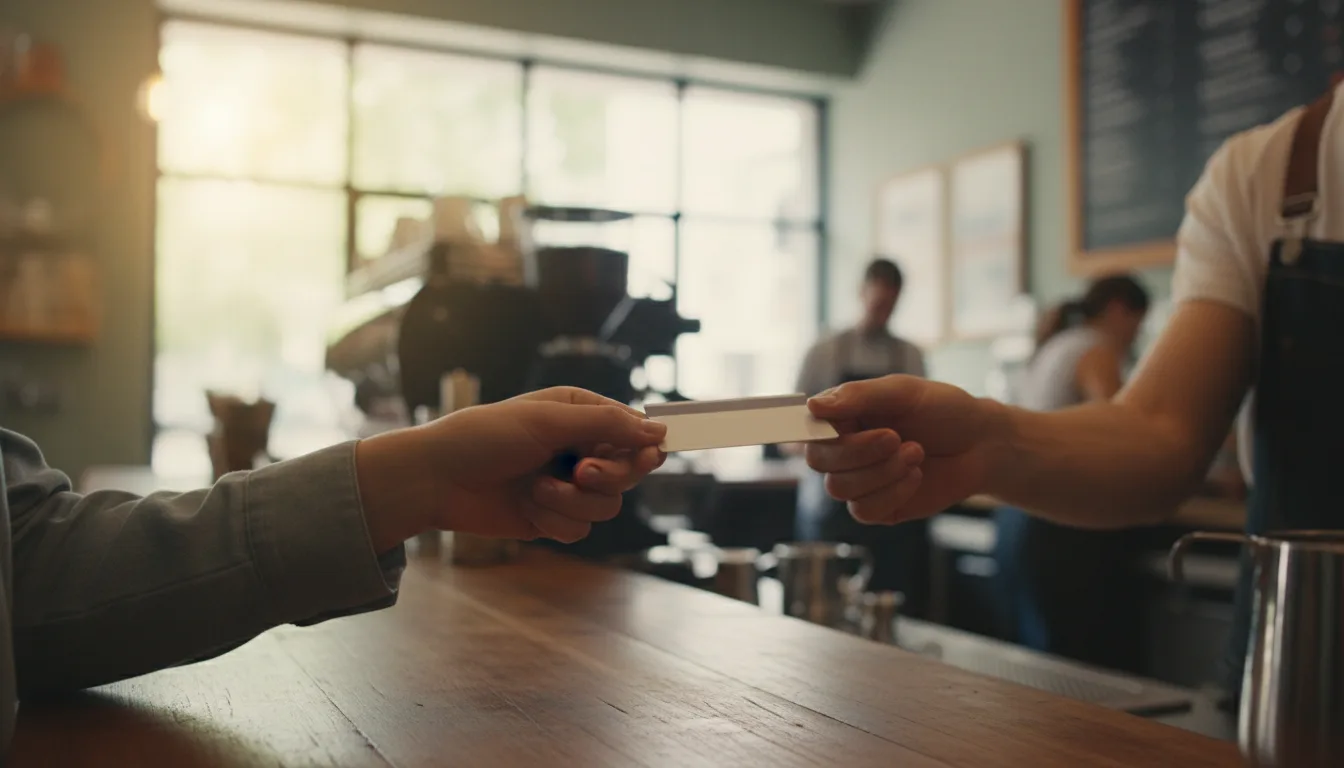
You have a queue at the door and a regular customer is trying to work out if they have enough points for a free coffee. The barista is tapping the screen, the customer is searching their phone for an email they received three months ago, and the queue is not moving.
A loyalty scheme has to work at the counter. If it takes longer to explain than it takes to pour an espresso, it is too complicated. A restaurant loyalty program or a cafe loyalty scheme is not a marketing campaign. It is an operational tool to encourage repeat customers.
The problem with points
Points are abstract. A customer does not know what five hundred points means. They do not know if five hundred points is a lot, or a little, or enough to pay for a sandwich. When a customer does not know what they have earned, they do not value it.
If you run a points scheme, you have to explain the exchange rate. You have to tell the customer that ten points equals one dollar, or that a hundred points equals a free side order. You have to explain this while they are trying to pay, and while the person behind them is waiting.
The customer will forget the exchange rate before they reach the door. They will not check their balance because they do not know what the balance means.
Complicated schemes also invite mistakes. If a staff member does not understand how the points are calculated, they cannot explain it to a customer. They might give the wrong information, or they might just skip asking the customer if they are part of the scheme.
Simple maths wins
A good loyalty scheme uses simple maths. Buy nine coffees, get the tenth free. Spend fifty dollars, get five dollars off your next visit. This is concrete. The customer knows exactly what they have to do, and exactly what they will get.
They do not need to calculate an exchange rate. They do not need to read a terms and conditions page. They just know that if they come back, they get something they want.
This simplicity works for the staff, too. A barista can say, "You are two coffees away from a free one," and the customer understands immediately. The transaction takes five seconds.
One card, no app
A customer does not want to download another app. They do not want to create an account, verify an email address, and remember a password just to buy a pastry.
If you ask a customer to download an app at the counter, they will say they will do it later. They will not do it later. If you make an app a requirement for your loyalty scheme, you are turning away the people you are trying to reward.
The scheme needs to tie to something the customer already has with them. A physical card works, but people lose them or leave them in another coat. The simplest method is to tie loyalty to the payment card.
When a customer pays, the system recognises the card. The points or stamps are added automatically. The customer does not have to scan anything, download anything, or remember anything. They just pay as normal.
This removes the friction at the counter. The staff member does not have to ask if the customer is in the scheme. They just take the payment, and the system does the work.
Keeping it visible
If a customer does not know they have a reward waiting, the scheme is not working. The point of a loyalty scheme is to bring them back. If they forget they have a free coffee, they might go somewhere else.
When loyalty is tied to the payment card, the receipt can show the progress. The digital receipt they receive by text or email tells them they are one visit away from a reward. This is a gentle reminder that they should return.
How lokal handles loyalty
lokal includes a loyalty scheme as part of the POS. It ties directly to the customer's payment card. There is no app for the customer to download, and no extra steps for the staff at the counter. When a customer pays, lokal tracks their progress and applies rewards automatically. The scheme is part of the single plan, which costs $99.99 a month, with the first month for $1.
Published 27 September 2026 by lokal.