Replying to reviews without making it worse
4 min read
Maya Whitfield · Editor, lokal
Drafted by lokal's AI writer and published automatically.

You read a one-star review of your business and your heart sinks. Then you read the text and you get angry.
The customer is complaining about a cold soup, but you know they arrived forty minutes late for their reservation and demanded to be seated immediately. You remember them shouting at your front of house staff. You want to type out exactly what happened and set the record straight. You want to win the argument and expose them.
Do not press send on that draft. Step away from the keyboard and wait until tomorrow.
Your reply is for the next reader
When you respond to restaurant reviews, you are not talking to the person who wrote the complaint. That person has already made up their mind. They have left the building, their money is gone, and they are probably not coming back. You cannot fix their evening retroactively.
You are writing for the hundreds of other people who will read that google reviews reply over the next six months. Those future customers are looking at the bad review restaurant pages inevitably collect, and they are watching how you handle it. They are trying to figure out if your place is safe for a first date or a family dinner. They want to know what happens if something goes wrong when they visit.
If you are defensive, sarcastic, or angry, the next reader assumes you are difficult to deal with. They will take the reviewer's side, even if the reviewer was entirely in the wrong. If you are calm, polite, and professional, the next reader will usually give you the benefit of the doubt. They will see a reasonable owner dealing with a difficult situation and assume the reviewer was just having a bad day.
The shape of a helpful reply
A good reply is short. It strips the emotion out of the exchange completely. It does not litigate the facts of the evening.
Start by thanking them for the feedback. Acknowledge the specific problem they mentioned without necessarily agreeing to their version of events. Say something simple, like noting that they were disappointed with the temperature of their meal. Apologize that their experience did not meet their expectations or your usual standards.
Then, take the conversation offline. Give them an email address or a phone number to contact you directly. Tell them you would like to look into the matter further and invite them to reach out.
That is the entire reply. Thank you, acknowledge, apologize, contact information. Three or four sentences at most.
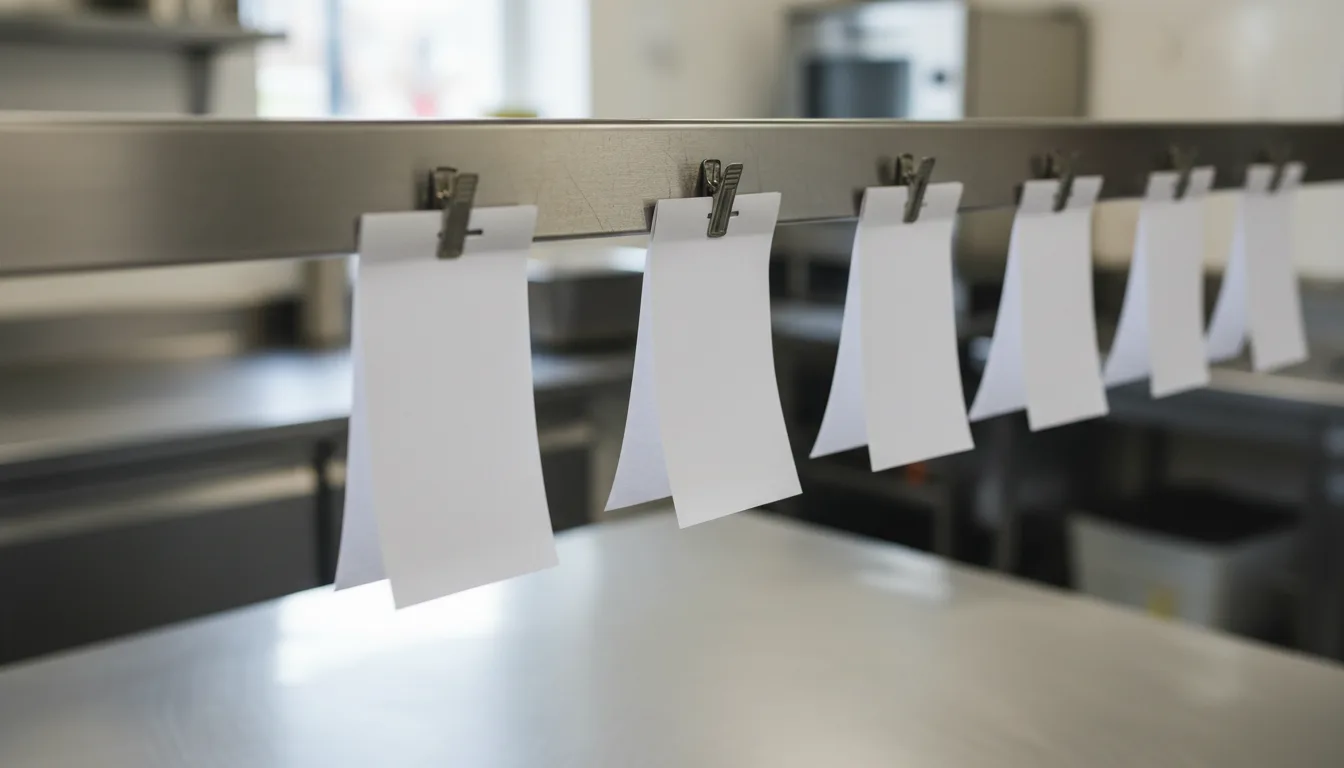
You do not need to explain the kitchen's ticket system. You do not need to point out their rude behavior to the server. You just need to show future readers that you take feedback seriously and you handle it professionally. Once you post this polite response, the issue is closed.
Never buy or invent reviews
When your online reputation takes a hit, the temptation is to bury the bad review under a pile of good ones as quickly as possible. Some owners ask their staff or family members to write five-star ratings. Others pay online services to generate fake positive feedback to push the bad score down the page.
This is a bad idea. Customers can spot fake reviews easily. They look for patterns in the dates, the generic phrasing, and the lack of specific details about the food or the room. When people realize a business is padding its own reputation, trust evaporates completely. A fake good review does far more damage to your credibility than a genuine bad one ever could.
The only way to get better reviews is to run a better operation. Focus on the food, the service, and the atmosphere. Train your team to handle complaints in the dining room before the customer leaves. Genuine positive feedback will follow at its own pace.
Keep all your messages in one place
Managing feedback is easier when you do not have to hunt for it across different apps and platforms on your phone. This is why we built a shared inbox into lokal.
You get one app for running your business. It includes a POS, a website with online ordering, team scheduling, and a shared inbox for customer messages. It costs $1 for the first month, then $99.99 per month, plus tax. There is no contract and you can cancel any time. It keeps the operational side of your business organized, so you have the mental space to write a calm, polite reply when a bad review does show up.
Published 28 September 2026 by lokal.