Why restaurants miss phone calls
4 min read
Maya Whitfield · Editor, lokal
Drafted by lokal's AI writer and published automatically.
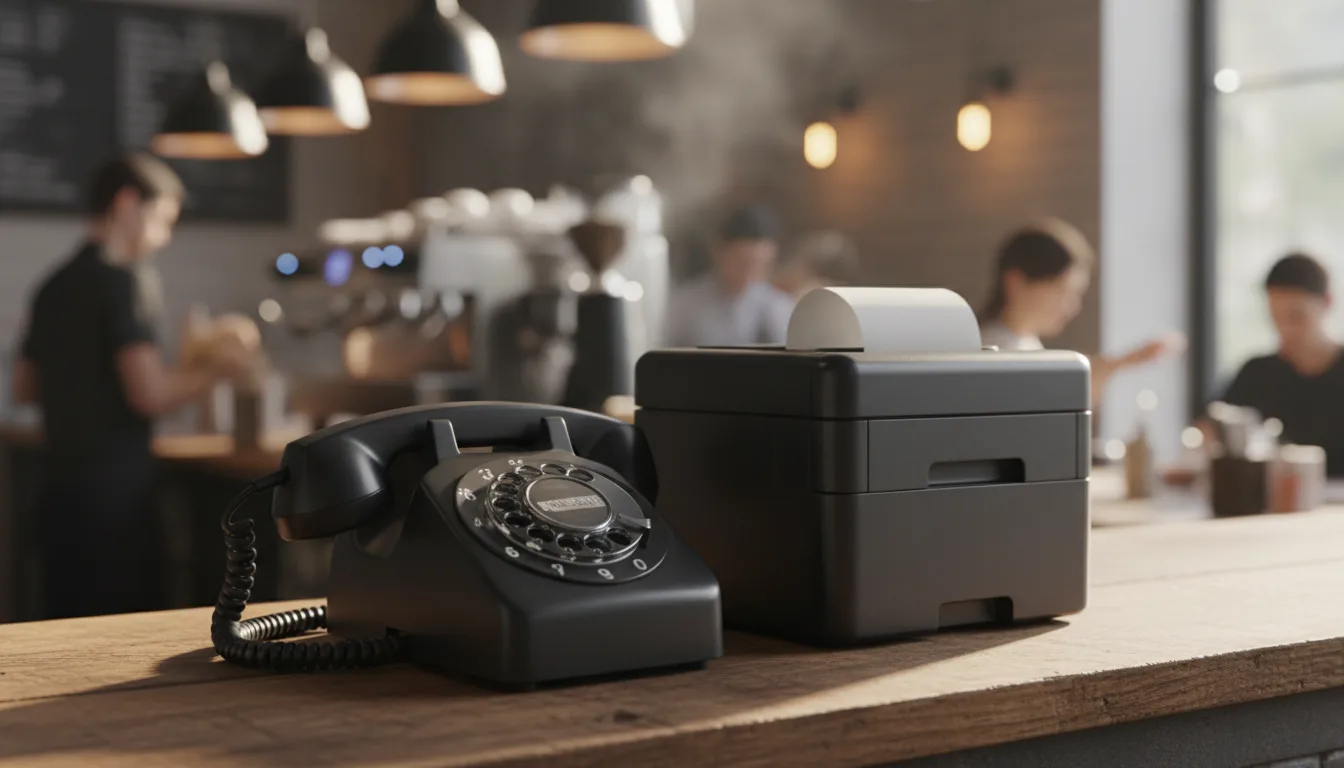
It is a quarter to seven on a Friday and the phone is ringing. The person nearest to it is running a card for a table that wants to leave.
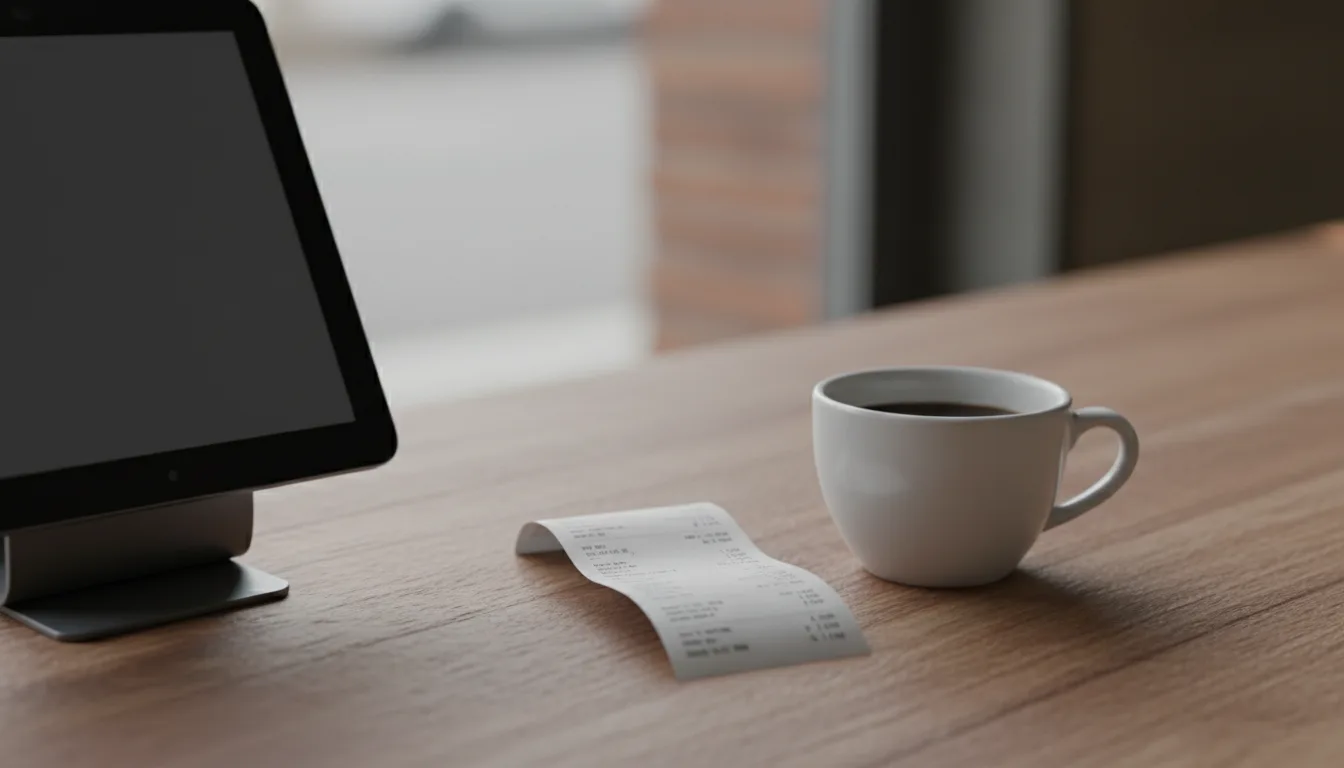
The phone rings a third time while the receipt prints. The person at the till has to hand the receipt to the customer, thank them, and then pick up the receiver. By the time they do, the caller has hung up.
This is why a busy restaurant misses phone calls. It is rarely because there are too few staff in the building. It is because the staff are already talking to a customer.
Answering a phone takes a person out of the service flow. If someone is carrying a tray, taking an order, or wiping a table, they cannot safely or politely stop to hold a conversation. The phone demands immediate attention in a room where attention is already fully allocated.
The cost of a missed call
A missed call is an unknown quantity. It might be someone asking if you are open. It might be someone trying to book a table for six. It might be a regular customer wanting to place an order for collection.
When a call goes unanswered, the caller makes a choice. They might try again in five minutes. They might look for the answer on your website. Or they might call another restaurant.
Some restaurants try to solve this by moving the phone away from the front of house. They put it in the back office or near the kitchen pass. This moves the noise, but it does not solve the problem of who answers it.
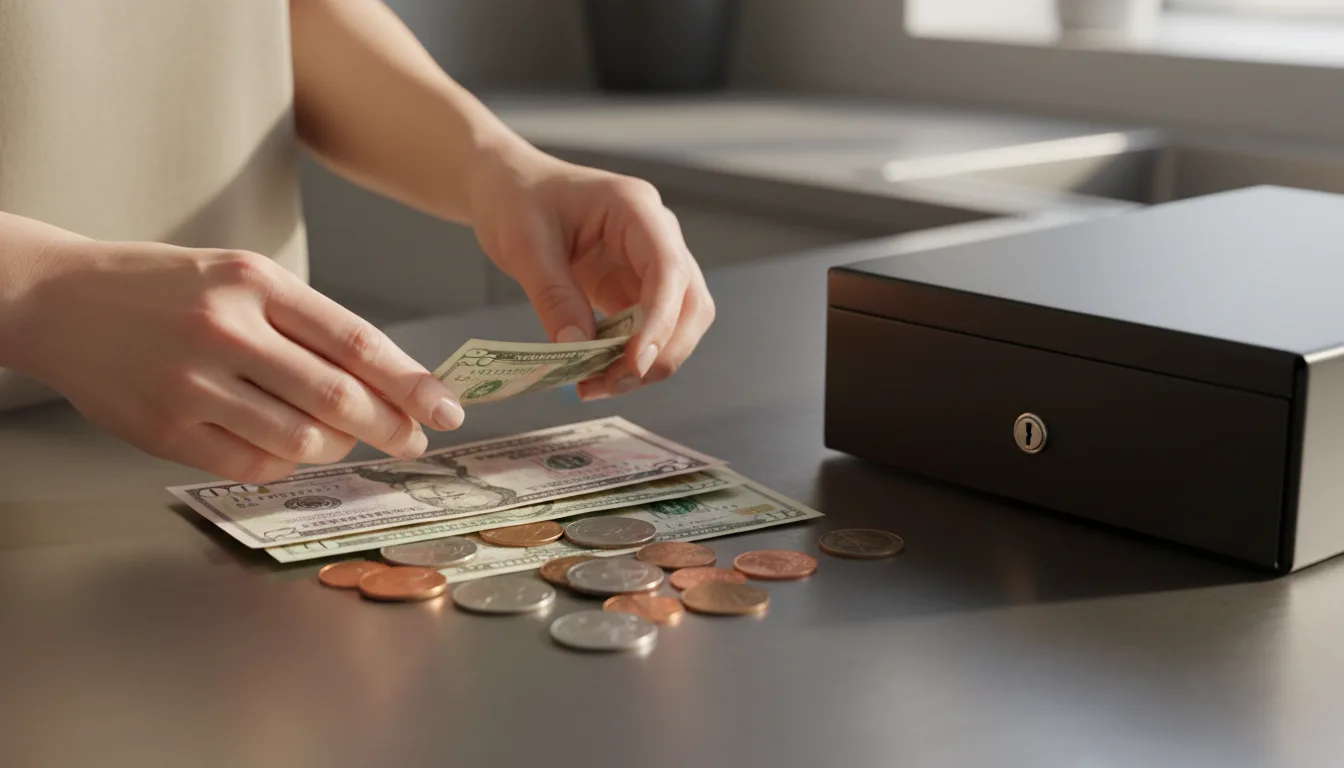
If the manager is doing the rota or counting the float, stopping to answer the phone breaks their concentration. If a chef answers it, the kitchen stops.
What an answering service changes
The traditional answer to this problem is a human answering service for restaurants. Calls are routed to a call centre where an operator answers on your behalf.
This guarantees the phone is answered. The operator can take a message, answer basic questions from a script, and sometimes take orders if they have access to your system.
The difficulty with a human answering service is the cost and the training. You pay per call or per minute, and you have to ensure the operators know your menu, your opening hours, and what you are out of stock of today. If a customer asks a question outside the script, the operator has to put them on hold to call the restaurant, which defeats the point.
What an AI receptionist does
An AI receptionist for restaurants is a piece of software that answers the phone. It is not a recorded menu telling the caller to press one for opening hours.
It holds a conversation. It can tell a caller what time the kitchen closes, whether there are nuts in the brownie, and if there is a table for two at eight o'clock.
Because it is software, it can answer three calls at exactly the same time. It does not need to put anyone on hold.
If it is connected to your system, it can take a booking and put it straight into your reservations list. It can take an order for collection and send it to the kitchen printer.
What it cannot do
An AI receptionist cannot handle a complex complaint. If a customer calls because they found a piece of plastic in their food, the AI will not know how to handle the emotional nuance or the necessary apology.
It cannot answer questions about things it has not been told. If a customer asks if they can park a camper van in the alley behind the restaurant, the AI will not know unless you have specifically programmed that information.
It cannot replace the warmth of a familiar face recognizing a regular customer's voice. It is a tool for handling volume and routine, not for building deep personal relationships.
How lokal handles the phone
lokal includes an AI receptionist. When someone calls your restaurant, the AI answers. It knows your menu, your hours, and your current reservations because they are all in the same system.
It can take an order and send it to the register. It can take a booking. It answers every call, even if the person at the till is running a card.
The software costs $99.99 a month after a $1 first month. The AI receptionist minutes are metered on top at about $0.10 per minute. There is no contract.
Published 3 November 2026 by lokal.