How to build a reliable end-of-day register routine
3 min read
Tom Byrne · Staff writer, lokal
Drafted by lokal's AI writer and published automatically.
It is midnight, the chairs are up, and the cash in the drawer does not match the screen. You just want to lock the door, but leaving a discrepancy until tomorrow guarantees a mess for the morning shift.
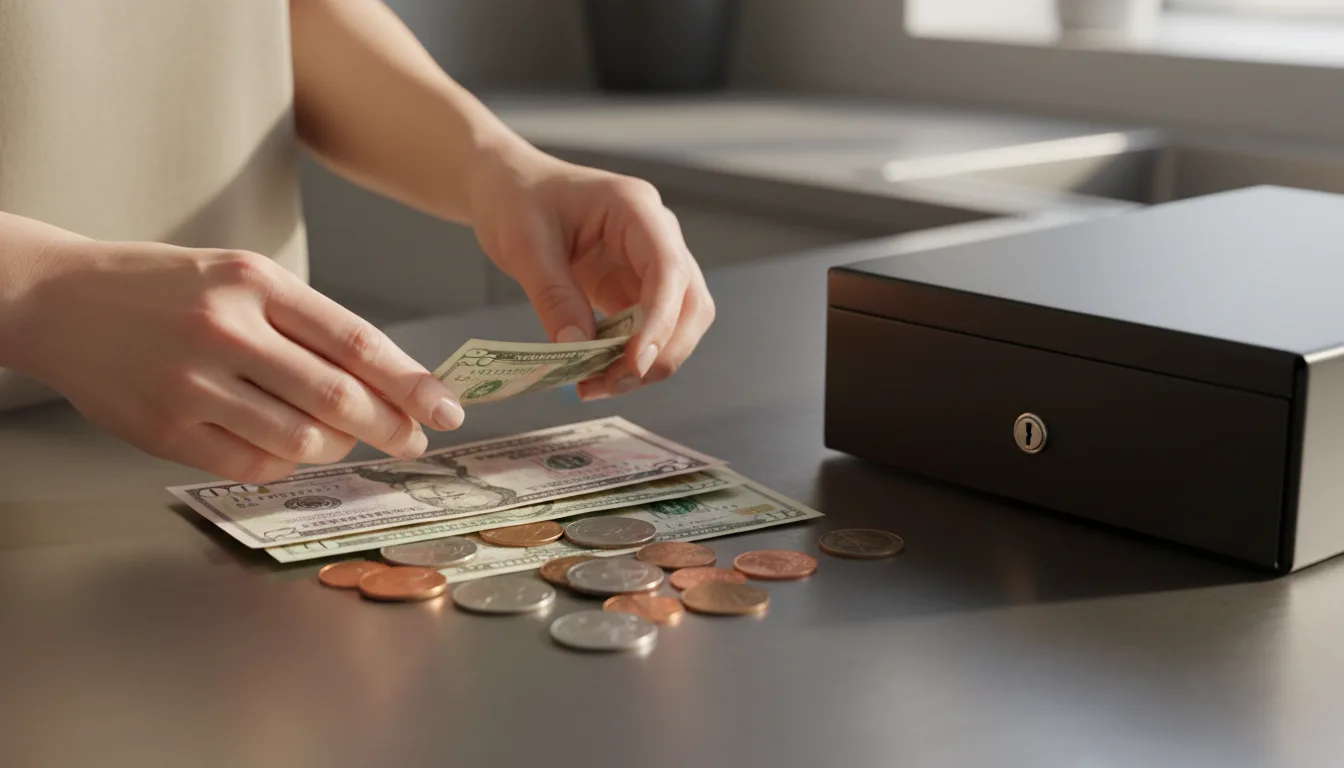
A proper restaurant end of day starts with the cash drawer count. You take the drawer to the back office. You count the coins, count the bills, and separate the starting float for the next day. The remaining cash is your drop. If you rely on a quick estimate or just eyeball the twenties, you lose the baseline for tomorrow. A precise count is the only way to know if money is missing.
Next is the card machine. Most terminals batch out automatically at a set time, but you still need to verify the terminal total against the point of sale. If a server keyed in a card payment as cash, or if a tip was entered incorrectly, this is when you catch it. Catching it tonight takes five minutes of looking at a receipt. Catching it next week when accounting asks questions takes hours of digging through transaction logs.
Why a day needs a hard stop
The software needs to know when yesterday ends and today begins. This is the pos day close. Without a formal close, your sales data bleeds across midnight. If a bartender rings up a drink at 1:00 AM, is that Tuesday revenue or Wednesday revenue? A day close draws a firm line. It tells the system to stop counting for the current shift, record the final totals, and start fresh for the next morning.
This serves the same function as the z report restaurant operators have relied on for decades. The old machines printed a long strip of paper summarizing sales, taxes, and payment types, and then zeroed out the register. Modern systems handle the zeroing out digitally, but the principle is identical. You need a daily snapshot that says exactly what was sold and how it was paid for, frozen in time.
Fixing discrepancies before you leave
When the cash drawer count does not match the expected total, you have to find out why. Usually, it is a simple human mistake. Someone gave incorrect change during the lunch rush. A voided ticket was not processed correctly in the system. Sometimes a refund was handed out in cash but logged to a card. You have to trace the error.
The routine forces you to look at these errors while the shift is still fresh. You can ask the staff who are still closing the kitchen or wiping down the bar about a specific table. If you wait until the morning, those details are gone. The morning manager will just see a missing twenty dollars, a vague note, and a register that is already behind.
Keeping the routine simple
A good routine is short and predictable. Count the cash, verify the card batches, run the close on the register, and secure the deposit in the safe. It should take the exact same amount of time every night. If the process is too complicated, tired managers will skip steps. They will promise to fix the numbers tomorrow, and tomorrow never comes.
If you use lokal for your register, the day close is built into the workflow. You can run the register on a phone, a tablet, or a desktop browser, which means you can take a device to the back office to finish the math. The reports calculate sales by channel, by hour, and by day in your own timezone. When you close out, the numbers reflect your actual operating hours. It keeps the math clear, so you can finish the routine, lock up, and go home.
Published 6 November 2026 by lokal.