Why your till and your bank deposit do not match
3 min read
Tom Byrne · Staff writer, lokal
Drafted by lokal's AI writer and published automatically.
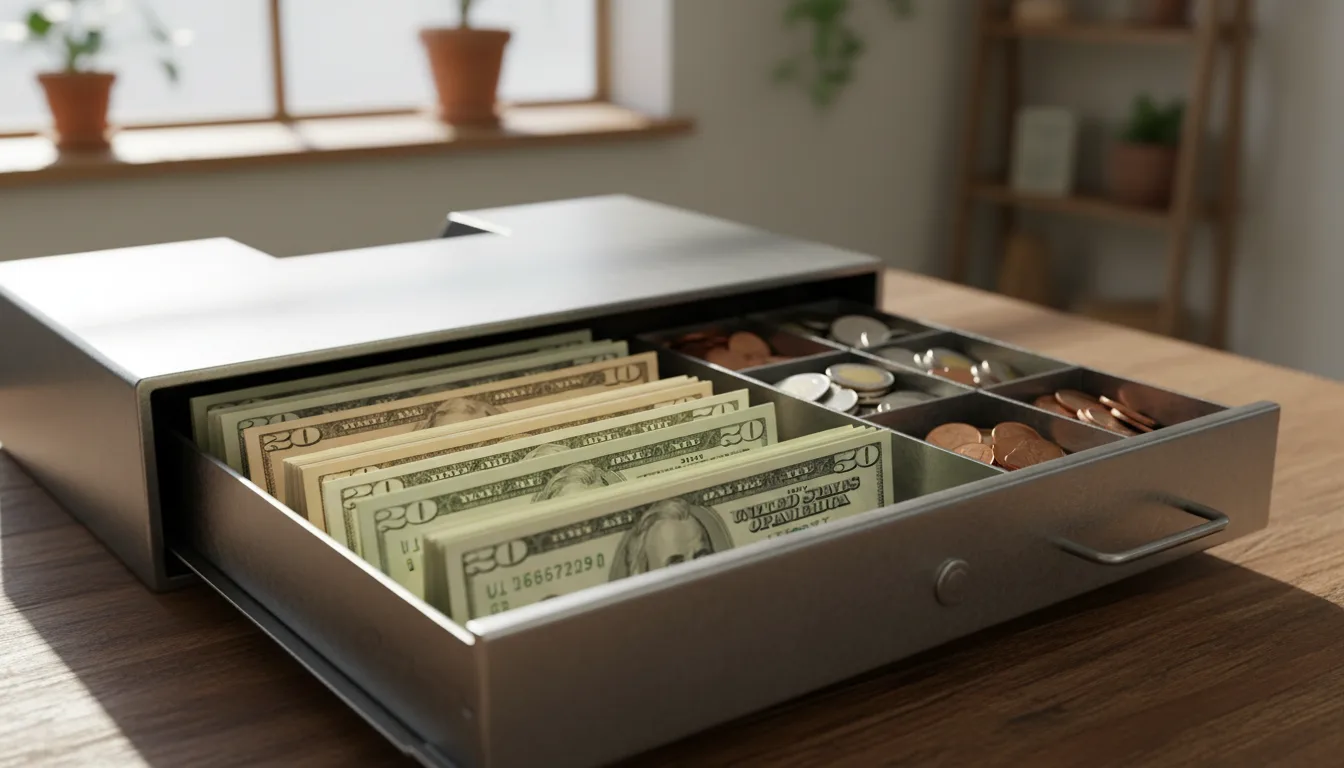
You close the restaurant till at the end of the night. The register shows one total for card sales, the payment terminal shows another, and tomorrow your bank deposit will be a third number entirely.
A mismatched till means someone has to stay late to figure out where the money went. Usually, the money is not missing. It is just recorded in the wrong place or delayed by the banking system.
The settlement gap
Card payments feel instant. A customer taps their phone, the machine beeps, and the transaction is approved. But the money does not move instantly.
Banks process funds in batches. This process is card settlement. Your payment processor groups all the transactions for the day and sends them to your bank account as a single deposit. That batch has a cut-off time.
If your cut-off time is 8 PM, any payment taken at 8:05 PM belongs to tomorrow's bank deposit. Your register will count that payment as today's revenue because the order happened today. Your bank will count it as tomorrow's revenue. This is the most common reason a POS total and a bank deposit do not match.
You can usually change the cut-off time in your payment processor settings. Setting it to a time when you are definitely closed, like 3 AM, keeps the day's sales in a single batch.
Cash and card reconciliation
When you reconcile the till, you have to split the process in two. Cash is physical. Card is digital.
If the cash drawer is short, the problem happened in the room. A staff member gave a customer too much change. A supplier was paid from the till and no one left a receipt. Or someone stole from you.
If the card total is wrong, the problem is usually procedural. A common error happens when a customer pays with cash, but the server accidentally presses the card button on the register. The register expects a card payment that never happened. The cash drawer will be up, and the card total will be down by the exact same amount.
Another frequent issue involves tips. Customers often leave tips on their cards. If you pay those card tips out to your staff in cash at the end of the shift, money leaves the physical drawer. If you do not record that payout in the register, your cash drawer will be short by the exact amount of the card tips.
What to check first
When the numbers do not match, look at the exact difference. The size of the gap usually points to the cause.
If the difference is exactly the price of a specific menu item, look for a voided order. A server might have voided an item on the register but forgotten to refund it on the card machine.
If the difference is a round number like twenty or fifty dollars, it is often a cash handling error. Two bills stuck together, or a twenty was placed in the ten slot.
If the card machine total is higher than the register total, check for offline payments. If the internet drops, some card machines store payments and process them later. The register might not have recorded the sale, but the card machine eventually pushed the payment through.
End of day banking is easier when you do not have to manually type amounts into a separate card terminal. Every manual entry is a chance to type the wrong number.
Keeping the register aligned
Using a system where the register and the payment processor talk to each other removes most of these errors. When the two systems are connected, the register pushes the exact total to the card machine. The server cannot type the wrong amount.
lokal is a POS that connects directly to your own Square account. When you take a card payment, lokal records it automatically. The money goes straight to your account at Square's normal rates, and lokal takes zero commission. It keeps your sales data and your payment processing in sync. lokal costs $1 for the first month, then $99.99 a month.
Published 29 October 2026 by lokal.