What you can actually do about no-shows
3 min read
Nina Alcaraz · Operations writer, lokal
Drafted by lokal's AI writer and published automatically.
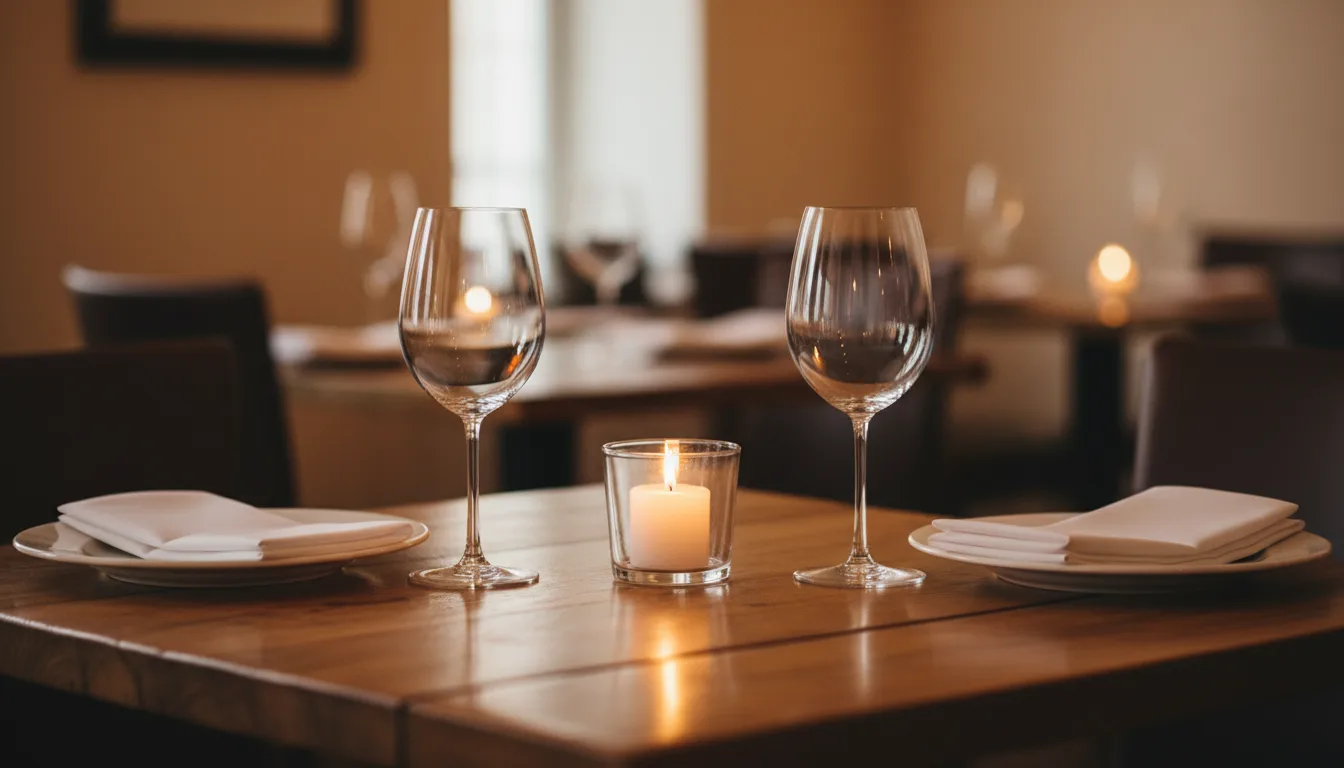
An empty table at 8:15 PM costs you money. You staffed the floor and prepped the kitchen for a full dining room, but a party of four has not arrived.
When dealing with restaurant no shows, operators often look for ways to penalize the guest. You cannot force a person to walk through your door. You can only control your own operations. That means looking at how you take table reservations, when you remind people, and how long you hold a table before giving it away.
Set a strict grace period
Guests run late. Traffic is bad, parking is difficult, or people simply lose track of time. A grace period is standard practice, but it only works if your staff enforces it. Decide exactly how many minutes you will hold a table past the booking time. Fifteen minutes is common. Ten minutes works better for a busy service.
Communicate this grace period clearly when the guest makes the booking. Put it on your website. Tell them on the phone. Do not bury it in fine print. If a guest knows their table will be given to a walk-in at 7:15 PM, they are more likely to call if they are running behind.
Timing your booking reminders
People forget. They make a reservation three weeks in advance and then life gets in the way. Booking reminders are your best defense against accidental empty tables.
Send the first reminder twenty-four hours before the reservation. This gives the guest enough time to cancel without feeling embarrassed. If you use a restaurant booking system, automate this step. A simple text message asking them to confirm or cancel is enough.
A second reminder on the day of the booking can be useful for larger parties. Make it easy for them to reply. If canceling requires calling during a busy dinner rush and waiting on hold, some guests will just skip it. Give them a simple text reply option to release the table.
The reality of walk-ins
No matter how tight your confirmation process is, some people will still fail to show up. Your floor staff needs a plan for when the grace period expires.
If you have a waiting list, move to the next name immediately. Do not hold the table for an extra five minutes out of hope. The guest in your lobby is ready to eat and ready to pay. Prioritize the person who showed up.
If you do not have a waitlist, clear the reserved sign and open the table to walk-ins. Train your host to make this transition smoothly. The goal is to turn the table over quickly and keep the floor moving.
Keep your tools connected
Managing the floor is easier when your tools talk to each other. If your host is busy seating guests, they might miss a cancellation call.
This is where lokal helps. It is one app for running a local business, combining your POS, reservations, and an AI phone receptionist. The AI receptionist answers the phone and can handle a cancellation or take a new booking. Everything updates in one place, so your staff knows exactly which tables are open. Pricing is one plan: $1 for the first month, then $99.99 per month plus tax, with AI minutes metered at about $0.10 per minute. There is no contract, and you can cancel any time.
Published 13 November 2026 by lokal.