Stop buddy punching and pay for the hours actually worked
3 min read
Maya Whitfield · Editor, lokal
Drafted by lokal's AI writer and published automatically.
The schedule says the shift starts at four. The timecard says the punch happened at four. But the person walked through the front door at ten past.
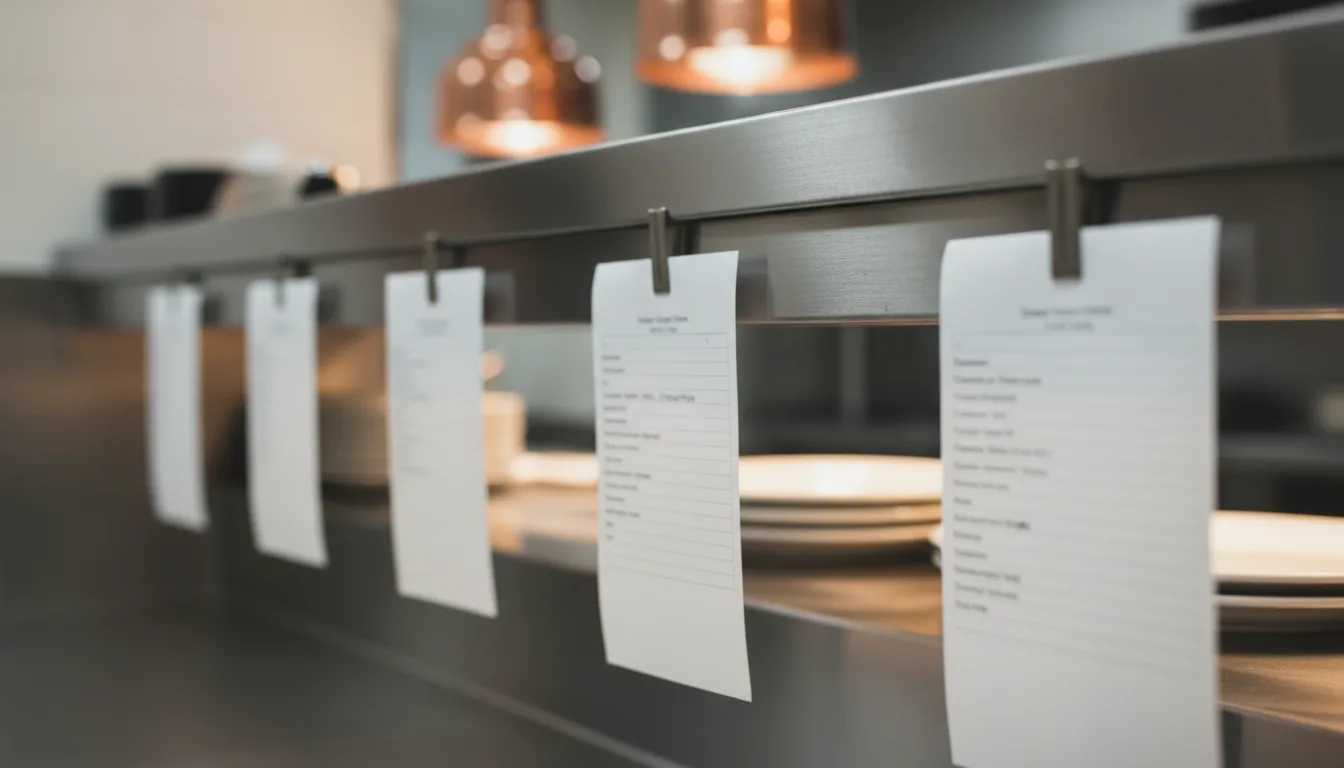
This discrepancy is where payroll disputes begin. A standard restaurant time clock usually relies on a four-digit PIN or a plastic magnetic card. Both are easily shared. A text message to a coworker asking for a quick favor is all it takes to make the record disagree with reality.
The problem is not just the ten minutes of wages. It is the friction it creates. When the floor is busy and a server is missing, the manager is already stressed. Finding out later that the missing server was technically on the clock adds frustration to the payroll process. The manager has to confront the staff member, adjust the timecard manually, and remember to do it before the pay period ends. Good attendance tracking should eliminate these conversations, not cause them.
Tying the punch to the person
To fix this, the clock-in method needs to require the actual person to be physically present. You cannot pass your face to a coworker, and you cannot text your physical location to someone stuck in traffic.
An employee clock in app that requires a quick photo at the start and end of a shift solves the identity problem. When the staff member taps the button to start their shift, the device takes a selfie. The manager reviewing the timesheets sees the photo right next to the timestamp. It is a simple, visual proof of who was standing at the screen.
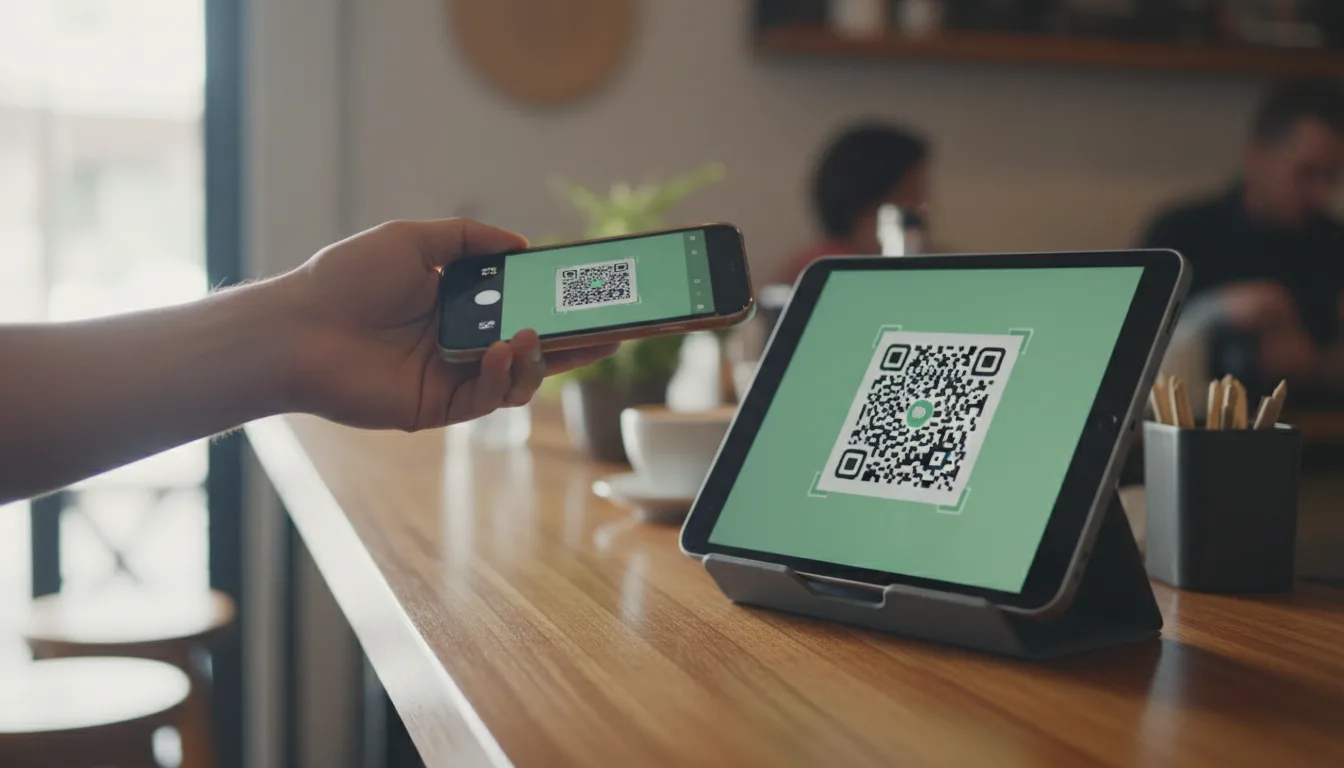
Another method uses dynamic QR codes. A point of sale screen or a manager's tablet at the counter displays a code that changes every few seconds. The staff member scans it with their own phone to clock in. Because the code changes constantly, a screenshot cannot be texted to someone running late. The person has to be physically standing in front of the screen, with their own device, to register their arrival.
Making the record match the shift
Calculating payroll hours restaurant owners can trust takes long enough without having to audit the timecards first. When the method of clocking in proves identity and location, the timesheet becomes a reliable document. You stop paying for time people were not in the building, and you stop wasting your own time matching security camera footage to punch records.
This also protects the staff. When the record is accurate, nobody can be accused of arriving late when they were on time. It also removes the pressure on employees to cover for each other. Saying no to a coworker asking for a buddy punch is awkward. A system that makes buddy punching impossible takes that burden off your staff. The system is fair because it is strictly factual.
lokal includes team scheduling and attendance as part of its single system. You build the roster, and your team clocks in, in the exact same place you run your register and check your sales reports. Everything lives in one place.
Published 18 October 2026 by lokal.