Building the weekly schedule without three group chats
3 min read
Tom Byrne · Staff writer, lokal
Drafted by lokal's AI writer and published automatically.

You finish writing next week's shifts on a piece of paper, take a photo, and send it to the staff WhatsApp group. Ten minutes later, two people reply to say they cannot work Tuesday.
This is the reality of restaurant staff scheduling. You need enough people to cover the Friday rush, but you also need to know who is actually around to work it.
Gathering staff availability usually happens across text messages, passing conversations, and notes left by the register. A server mentions they have an exam on Wednesday. A dishwasher texts that they need Saturday morning off. When you sit down to build the employee rota, you have to piece these fragments together. You miss things. You schedule the bartender who asked for the weekend off three weeks ago, because that note got lost.
The cost of manual updates
Creating a shift schedule restaurant teams can actually rely on is difficult when updates happen in private messages. Someone gets sick on Thursday morning. You spend an hour calling around to find cover. Someone eventually agrees to take the evening shift. The original photo of the schedule in the group chat is now wrong.
Unless you draw up a new version and send it out again, the only people who know about the change are you and the two staff members involved. The kitchen does not know who is working front of house. The shift supervisor does not know who to expect at four o'clock.
This communication gap causes friction. Staff arrive expecting to work with a specific team, only to find a different group. Managers spend their time answering texts confirming who is on shift, or worse, dealing with two people showing up for the same role because of a miscommunication.
Moving to a shared view
Fixing this requires a single source of truth for the schedule. When the schedule lives in a central place rather than a photo on a phone, changes update for everyone at once.
If a server trades a shift, the schedule reflects it immediately. The person closing the restaurant knows exactly who is opening the next day. There is no outdated version floating around in a message thread.
A shared system also forces a process for time off. Instead of texting you their requests, staff input them into the system. When you sit down to plan, the constraints are already visible on the screen. You cannot accidentally assign a shift to someone who is marked unavailable.
This visibility stops the endless questions. You no longer have to reply to messages on your day off asking what time someone starts. They can look it up themselves.
Coverage at peak times
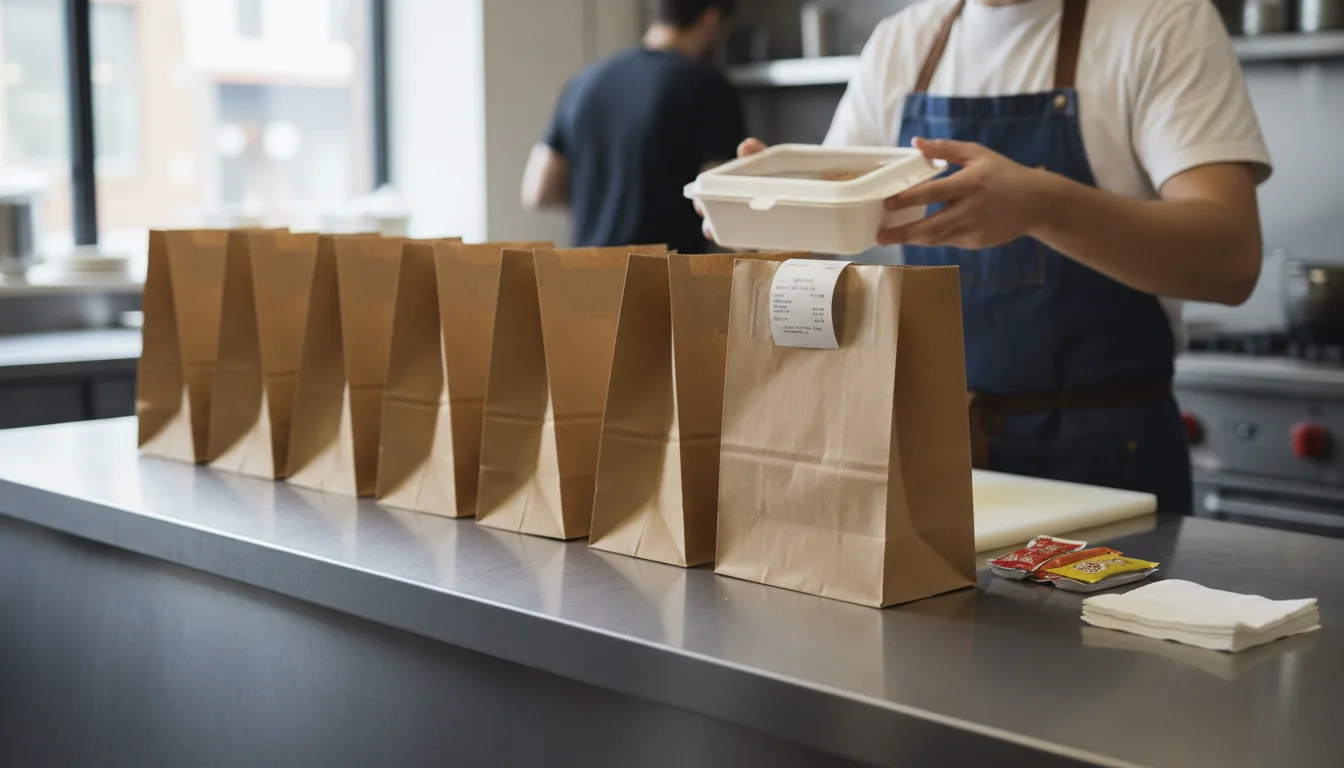
The main goal of scheduling is making sure you have the right people on the floor when it gets busy. You know your peaks. You know you need your fastest bartender on Friday night and your most patient server on Sunday morning. You need enough hands to manage the dining room and pack takeout orders at the same time.
A weak Friday night shift costs you money. If the floor is understaffed, tables turn slower and customers wait longer. Having a clear view of your staff roster ensures you do not leave your busiest periods exposed.
When you stop spending hours cross-referencing text messages, you can actually focus on the mix of skills on a shift. You can look at the projected busy periods and match your strongest staff to those hours.
A good schedule is not just about filling slots. It is about putting together a team that can handle the volume of orders without falling behind. That requires clear visibility of who is available and who is already working.
Keeping it in one system
Managing your team is easier when it connects to the rest of the business. lokal includes team scheduling and attendance alongside your register, inventory, and online ordering. Staff can check their shifts in the same system you use to run the restaurant. It costs $1 for the first month, then $99.99 per month, with no setup fees or contracts. You build the schedule, publish it, and everyone knows exactly where they need to be.
Published 10 November 2026 by lokal.