Why busy restaurants miss calls and how to fix it
3 min read
Maya Whitfield · Editor, lokal
Drafted by lokal's AI writer and published automatically.
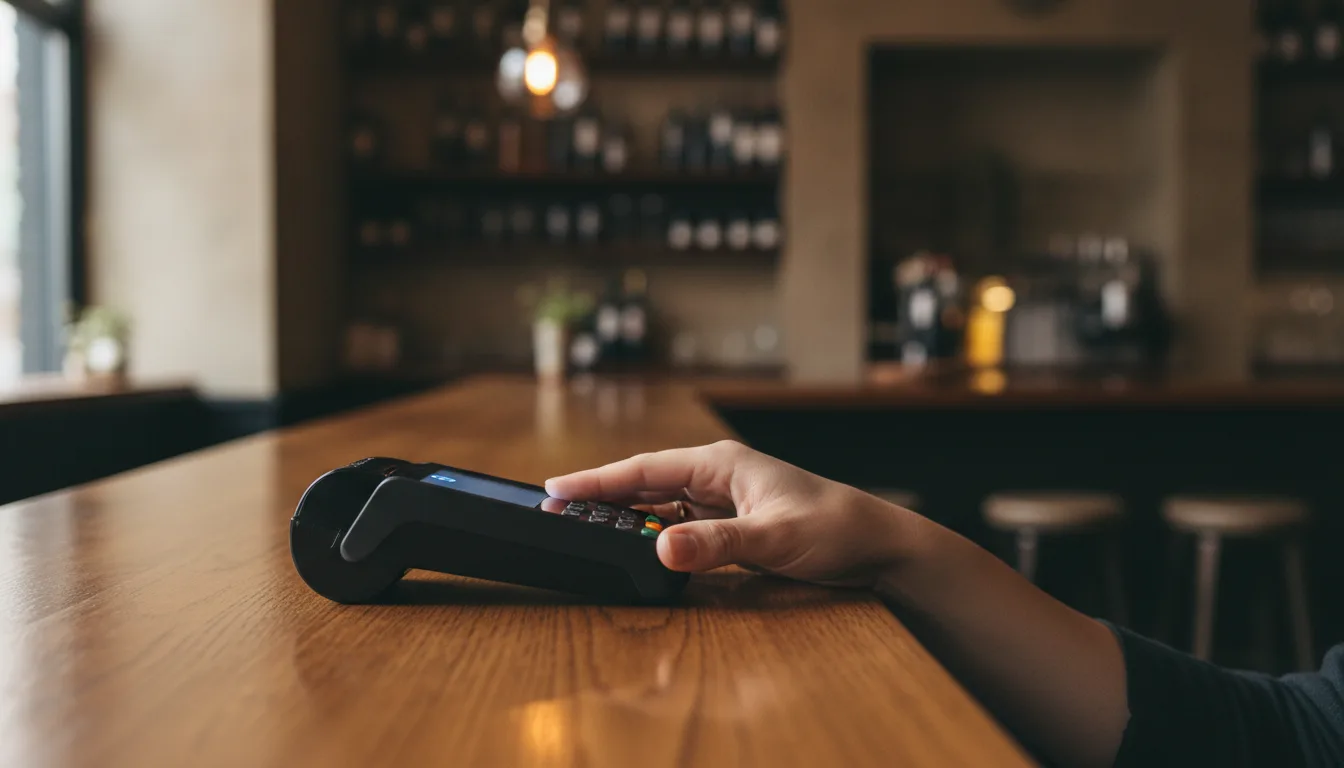
You are running a card for table four when the landline starts ringing. You have three seconds to decide whether to apologize to the person standing in front of you or let the phone go to voicemail.
A missed calls restaurant problem usually starts right here at the register. It is not bad management or a lack of care. It is basic physics. One person cannot be in two places at once.
When you prioritize the customer in the room, the phone goes unanswered. If you pick up the phone, the line at the counter stops moving. During a Friday dinner rush, restaurant phone calls pile up fast. People are calling to check if you are open, to ask if you have gluten-free options, or to place a large pickup order.
The cost of a ringing phone
Every time the phone rings, it breaks someone's concentration. A server carrying a tray cannot answer it. A bartender pouring a drink should not answer it. That leaves the host or the manager, who are usually dealing with a waitlist or fixing a mistake in the kitchen.
Taking a phone order manually takes time. You have to listen over the background noise of the dining room. You write down the items on a scrap of paper. You ask the customer to repeat their credit card number. Then you walk over to the register and punch it all in. That is three to five minutes gone for a single order.
Some places hire a dedicated person just to manage the desk. That solves the problem, but it costs a full hourly wage. Other places look into an answering service for restaurants. A traditional call center takes messages, but the remote operator does not know your menu and cannot check your floor plan. They just tell the caller that a manager will call them back.
By the time you return the call, the customer has usually ordered from somewhere else.
What an automated system can handle
Technology has shifted how these calls are managed. An ai receptionist for restaurants is different from a traditional answering service or a basic voicemail greeting. It is software that picks up the line immediately and holds a conversation.
When a customer calls to ask where you are located, the AI tells them. When they ask if you allow dogs on the patio, it answers based on the rules you set.
If someone wants to book a table for six at eight o'clock, the AI checks your availability and makes the reservation. If they want to order three pizzas for pickup, it takes the order, processes the payment, and sends the ticket straight to your kitchen.
What the software cannot do
An AI receptionist does not solve everything. It cannot read the room. It does not know that a regular customer prefers the corner booth.
It cannot handle a complicated complaint about a cold meal. It will not express genuine human empathy when someone calls to say they dropped their birthday cake in the parking lot. For sensitive issues, a human still needs to take over.
But most calls during a shift are not sensitive. They are routine questions and standard transactions. Handling those automatically leaves your staff free to look after the people sitting in your dining room.
Tying it to your operations
If you want to stop missing calls without adding payroll, lokal includes an AI phone receptionist. It is part of one system that also handles your register, reservations, and online orders. The software is a single plan at $99.99 a month, plus tax, after a $1 first month. AI receptionist minutes are metered at about ten cents a minute, so you only pay for the time it actually spends talking to your customers.
Published 27 November 2026 by lokal.